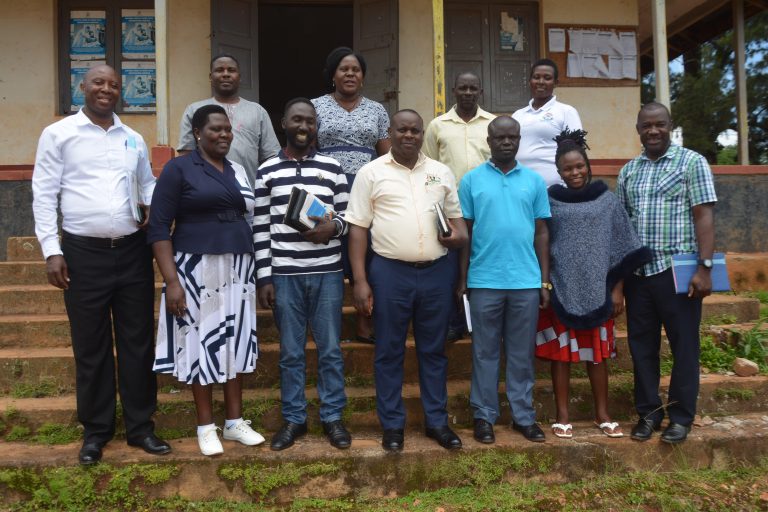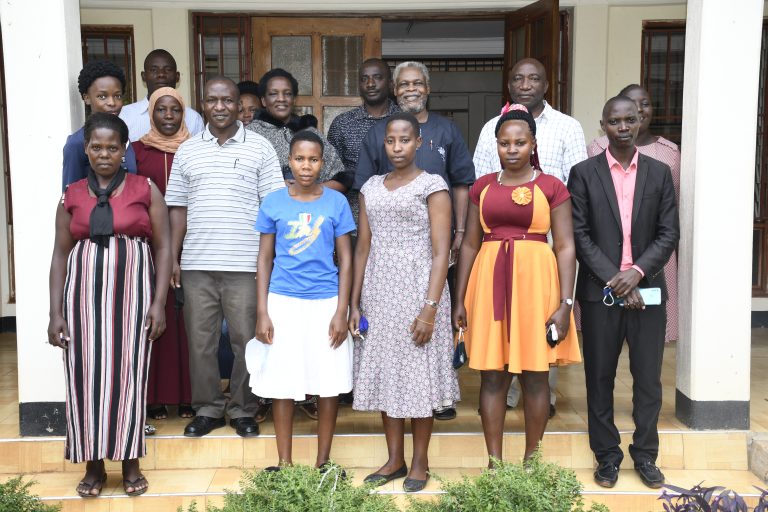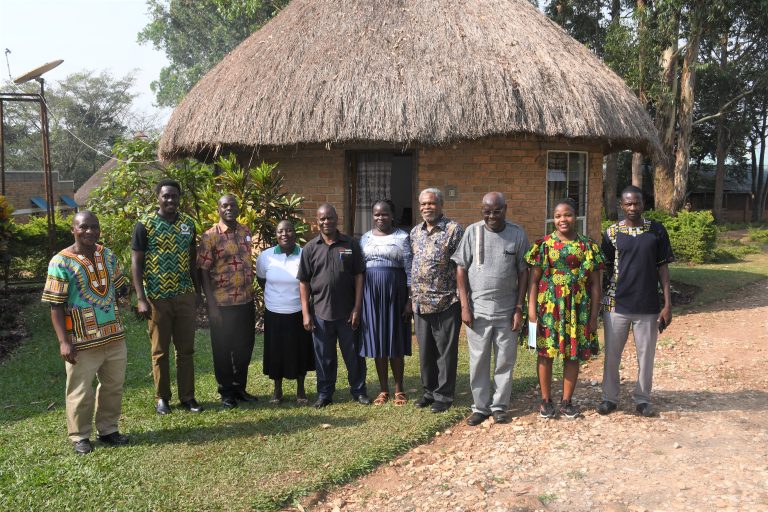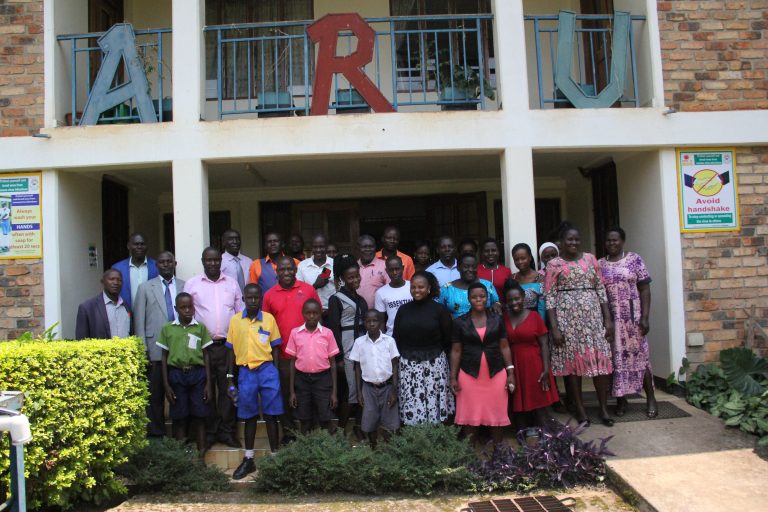
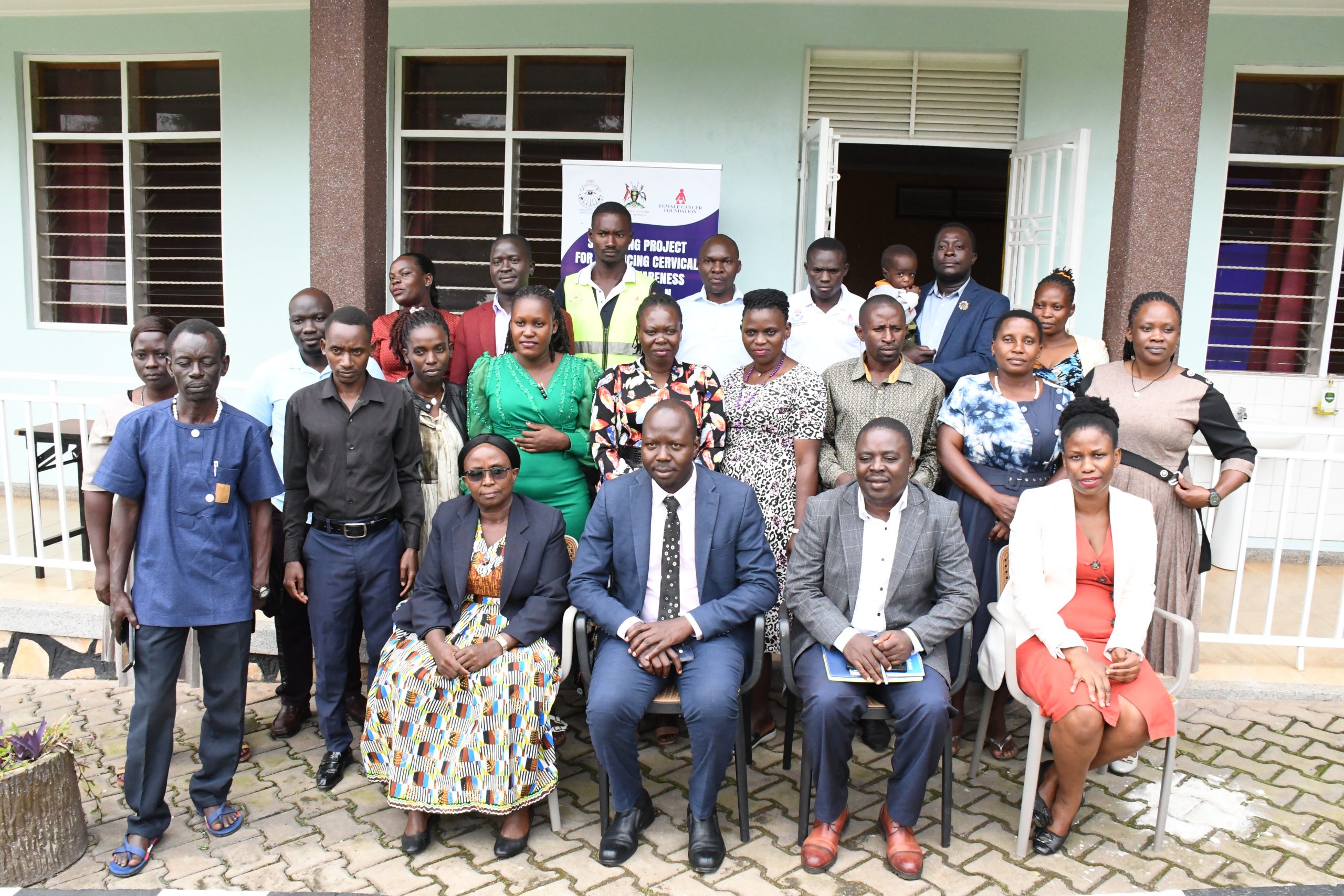
On 5th March 2026, the Uganda Rural Development and Training Programme (URDT), under the Screening Project for Cervical Cancer Awareness and Detection (SPACC), held a stakeholders’ engagement aimed at strengthening efforts to prevent and manage cervical cancer in the districts of Kakumiro, Kibaale and Kagadi.
The engagement brought together health facility in-charges, village health coordinators, district health stakeholders and officials from the Ministry of Health (Uganda) in the department of non-communicable diseases to advocate for the integration of cervical cancer screening services into routine health service delivery at lower-level health facilities, particularly Health Centre IVs and Health Centre IIIs.
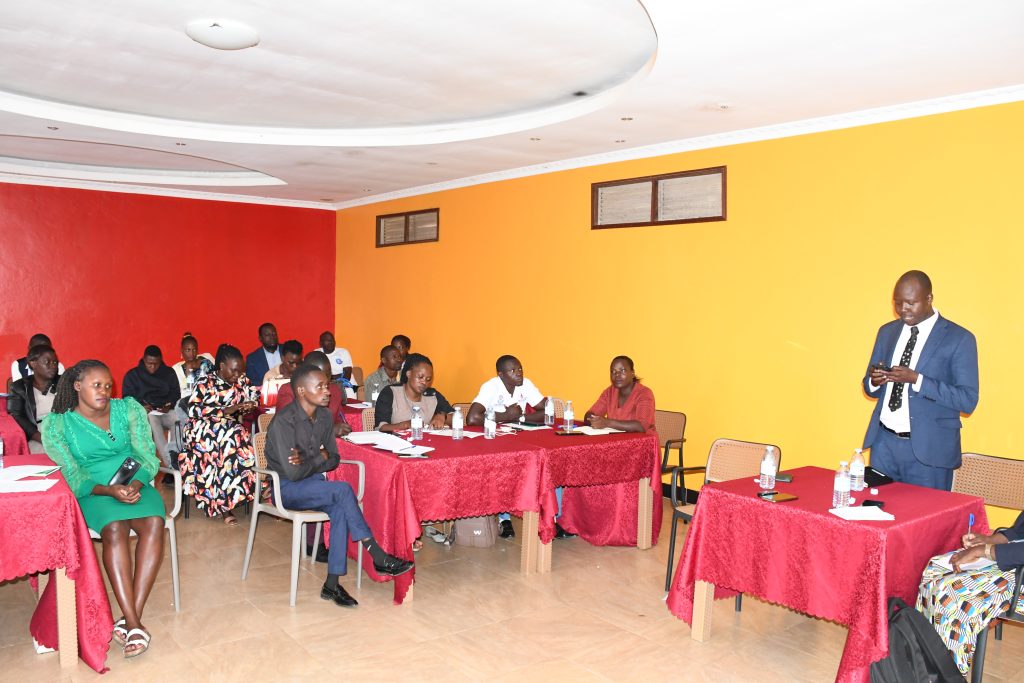
The meeting also aimed to update stakeholders on the project’s achievements, milestones and challenges encountered since its inception, while gathering input on the long-term integration of cancer screening services into district health plans and budgets to ensure sustainability. Participants also discussed ways of strengthening collaboration and partnerships among communities, implementing partners, local governments and government agencies in advancing the elimination of cervical cancer.
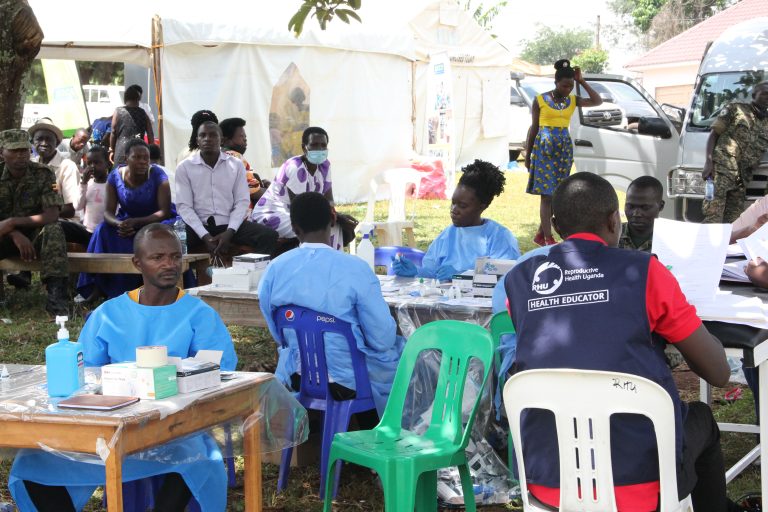
During the meeting, it was revealed that awareness creation has significantly increased, helping to mobilize more women to seek screening services. This has led to improved uptake of cervical cancer screening and higher completion rates of treatment among women in rural communities.

According to SPACC Project Manager, Shamim Namagembe, the project has registered notable progress since it began in June 2024. She revealed that a total of 15,431 women have been screened for cervical cancer across the three districts. Out of the women identified with pre-cancerous conditions, 1,118 (98.8%) have successfully received treatment.
Namagembe also reported that the project has supported 18 health facilities across the three districts, facilitated 53 referrals of suspected cervical cancer cases to the Uganda Cancer Institute, and mentored 55 healthcare workers in various facilities to strengthen their capacity in screening and treatment services.
However, she noted that several challenges continue to affect cervical cancer management. Among them is the long-distance women must travel to access radiotherapy services at the Uganda Cancer Institute, which often leads to delays in treatment. She further explained that over 80 percent of cervical cancer cases in Uganda are diagnosed at advanced stages, resulting in poor survival outcomes.
Namagembe called upon stakeholders to intensify public awareness campaigns on cervical cancer prevention and integrate cervical cancer education into Maternal and Child Health (MCH) clinics in order to address stigma and misinformation. She also urged stakeholders to improve screening coverage by ensuring that equipped health facilities are supported with essential supplies such as acetic acid, vaginal speculums and lubricating jelly to sustain screening services.
In addition, she emphasized the need to expand Human Papillomavirus (HPV) vaccination programs and ensure high coverage among adolescent girls and boys, noting that the HPV vaccine is safe and provides effective long-term protection against cervical cancer.

Meanwhile, Dr. Ochakachon James, a Senior Medical Officer in the Department of Non-Communicable Diseases at the Ministry of Health who represented Dr. Mutungyi Gerald, the Commissioner for Non-Communicable Diseases, said cervical cancer is one of the few cancers that can be effectively prevented and treated when detected early. He explained that cervical cancer develops slowly, often taking 10 to 20 years for an infection with the Human Papillomavirus (HPV) to progress into cancer. He noted that there are many opportunities to detect and treat the disease early through regular screening.
However, he expressed concern that about 80 percent of women are still diagnosed at late stages, when treatment becomes more complex and survival chances decline. He stressed that women should be screened at least once during the long development period of the disease in order to prevent advanced cancer.
Dr. Ochakachon further explained that Uganda is committed to the global cervical cancer elimination agenda championed by the World Health Organization. The global targets focus on three key priorities: 90 percent of girls vaccinated against HPV, 70 percent of women screened at least twice in their lifetime, and 90 percent of women with cervical disease receiving treatment. Noting that Uganda has made progress in implementing these strategies, with HPV vaccination programs already introduced in many health facilities and schools, while Visual Inspection with Acetic Acid (VIA)is widely used as a screening method in health facilities.
Despite these efforts, he acknowledged that government resources alone may not be sufficient to address all challenges related to cervical cancer prevention and treatment. He therefore emphasized the importance of partnerships with organizations such as URDT and other development partners. He also stressed the need for community ownership and active involvement of local governments, noting that district leaders and communities must support cervical cancer prevention initiatives to ensure the long-term sustainability of screening and treatment services.
The engagement concluded with a call for stronger collaboration among stakeholders to expand access to screening, increase HPV vaccination coverage, and ultimately reduce the burden of cervical cancer among women in rural communities.